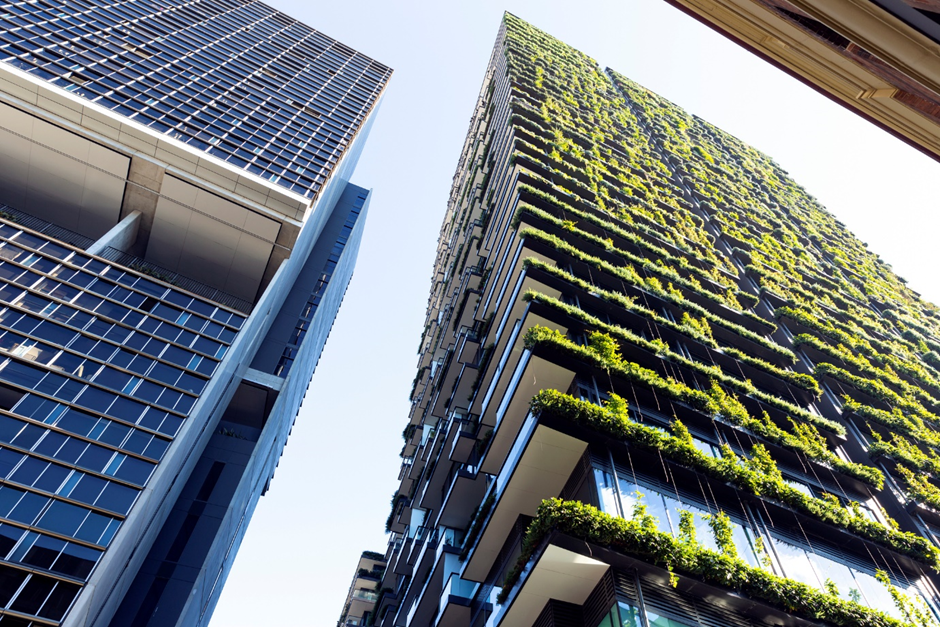
Increased focus on sustainability.
Focus on Sustainability (FoS) is an MRS initiative led by the Focus on Sustainability Subcommittee. Meeting the challenges of sustainable development requires an integrated approach that places materials science in the context of societal, environmental, and economic drivers. MRS is helping its members discover the valued role of sustainable materials practices to a sustainable world.
The Society also seeks to develop members’ technical expertise and understanding of the complex interrelationships between materials science and other disciplines.
Sustainability consists of fulfilling the needs of current generations without compromising the needs of future generations while ensuring a balance between economic growth, environmental care and social well-being.
As we saw above, plastics pose a grave problem for the oceans and, according to the United Nations data, over 3 million people depend on the seas for their subsistence. Thus, the current situation needs to change if we want to meet Goal No. 14 of the Sustainable Development Goals (SDGs): “Conserve and sustainably use the oceans, seas and marine resources for sustainable development”.
Types of Sustainability
Economic sustainability
When a company is set up, a structure is created that involves expenses and revenues. Once a balance is struck between both factors, the company earns profit. Economic sustainability refers to the organisation’s ability to manage its resources and responsibly generate profits in the long term.
An example of this type of sustainability is the company Unilever, which in the year 2010 rolled out a strategy to achieve a balance between sustainability and the company’s economic performance. To do so, it implemented several measures, such as increasing package recycling, promoting the use of recycled materials and responsible consumption awareness campaigns.
Environmental sustainability
Environmental sustainability focuses on the conservation of biodiversity without foregoing economic and social progress. The foundations of environmental sustainability are: safeguarding water, saving energy, reducing waste, using recyclable packaging, limiting or eliminating the use of plastics, using sustainable transport, reusing paper and protecting flora and fauna.
A great example of environmental sustainability is the Swedish city of Stockholm, which is noted for investing in sustainable infrastructure, its low emissions and for having excellent air quality, with pollution levels well below average. The city has thus achieved a balance between economic development and environmental protection.
Social sustainability
In any community in which economic activities are carried out in a specific environment, we find three interconnected forms of sustainability: environmental, economic, and social. However, social sustainability in particular has the goal of strengthening the cohesion and stability of specific social groups. The company CEMEX, for example, is working to contribute to the social development of communities. Thus, the company offers decent housing through self-building programs and loans with favorable access conditions to those most in need.